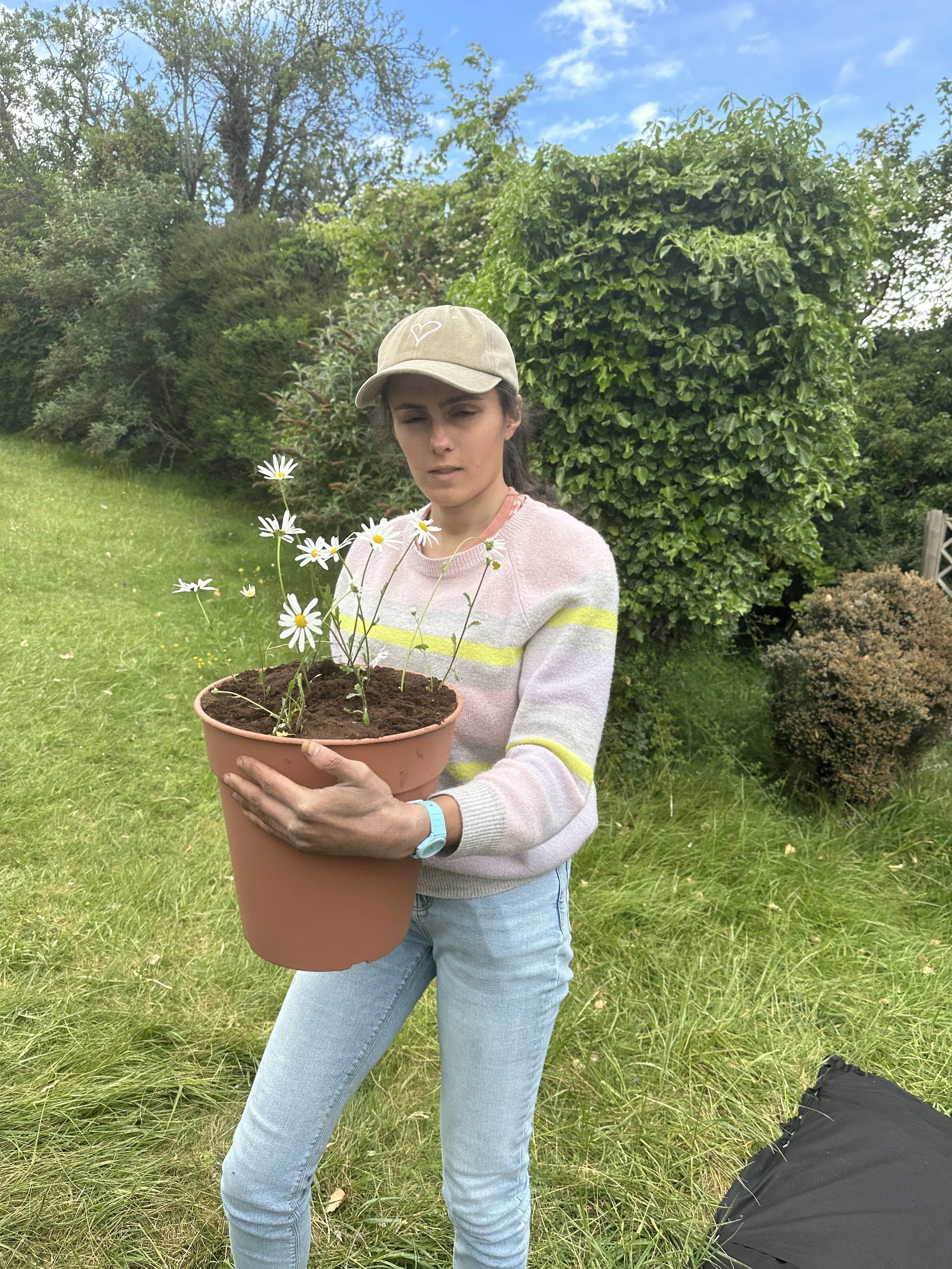

Natalie the Autistic Gardener was born because as an autistic woman who faces many of the challenges commonly associated with autism, I wanted to try and find a way of giving more representation to people like myself who do not necessarily display those challenges visibly.
Autism is often very much an internal condition, particularly in females because of their increased ability to mask, meaning that many are either misdiagnosed, or alternatively have to endure years without receiving a diagnosis.
Aspects of autism that I face challenges with on a daily basis include eye contact, severe fatigue and anxiety. Some days I find myself being able to communicate clearly and effectively, whereas on other days I find it hard to speak at all.
Being able to manage changing and evolving situations, miscommunication, and sensory overload, are all challenges that are the reality that come with living with Autism.
What sensory overload represents to me, for example, is multiple different things. The most common denominator in my sensory overload is a breakdown in being able to cope with an environmental factor, or various environmental factors that I am confronted with, or are going on around me.
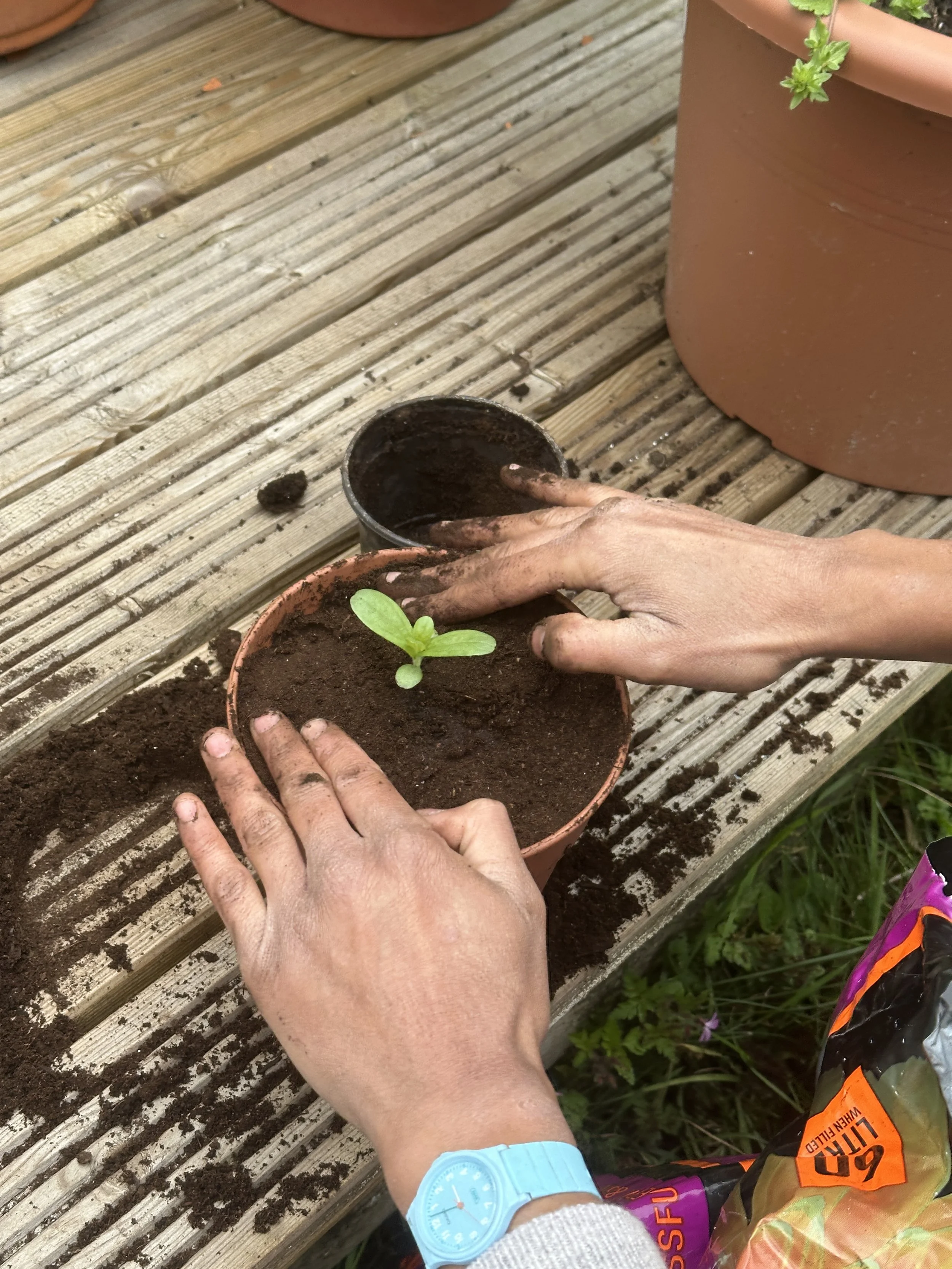
I think for everything that I have explained in this section is the reason why I love gardening. I am quite introverted and gardening allows me the space and the freedom, without the pressure, to be able to express myself and get as creative as I want to be.
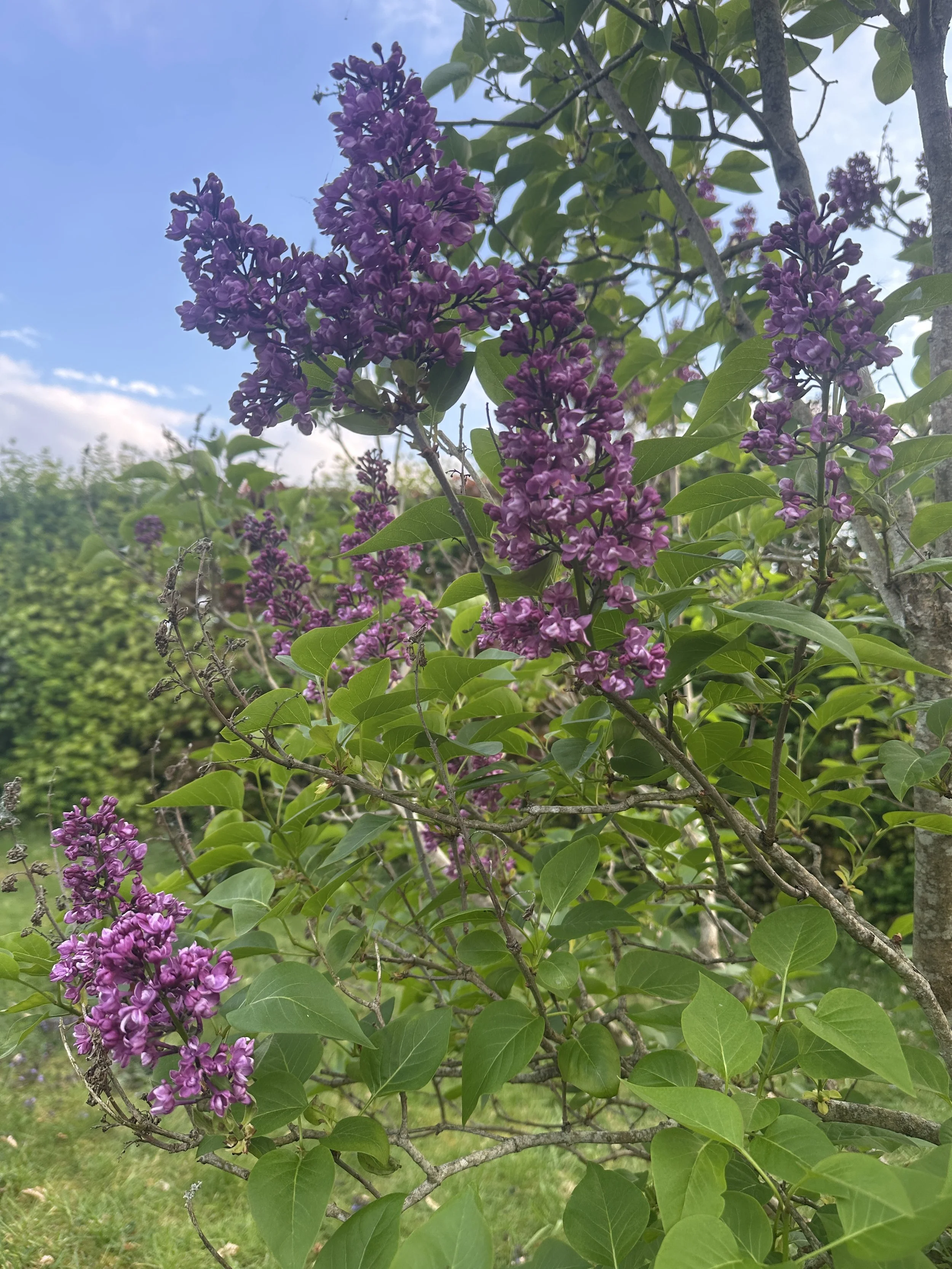
One example of a potential trigger that could cause me to experience sensory overload would be the confusion and subsequent distress caused by a miscommunication with a person, either through messaging or in person.
Another example of a potential trigger would be the ability to multitask and facing the significant challenge of thinking about too many things at once.
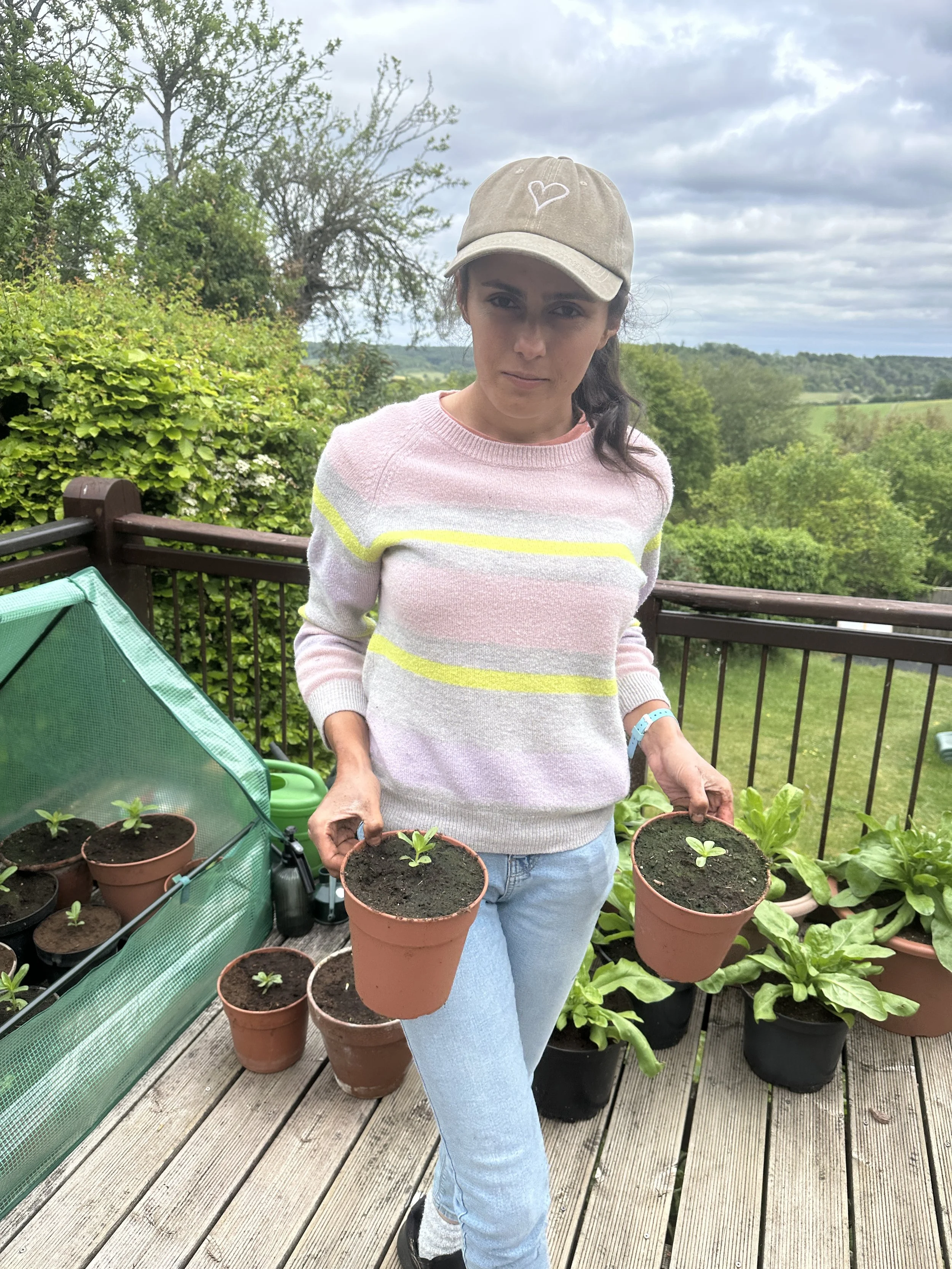
One aspect of my autism that the world fortunately doesn’t often get to see is when I have a meltdown. In my experience living with Autism meltdowns are often exacerbated by three major factors, different changing or evolving situations that I may be presented with, a miscommunication, or the final one being sensory overload. Being able to understand communication from another person clearly and effectively, in particular the way which the person intended to convey their message, can sometimes be an extreme challenge for me to interpret that person’s message correctly.
It is important that a person communicates me in a really clear and effective manner that I am able to understand. Autism and subtlety are not a good mix for each other and if they were in the street together they would most definitely blank each other, well certainly this is the case in my Autistic experience anyway.
My point being that if I miss the memo then please forgive me and know that I will always try to carry out your expectations for your garden, and your instructions to the best of my abilities.
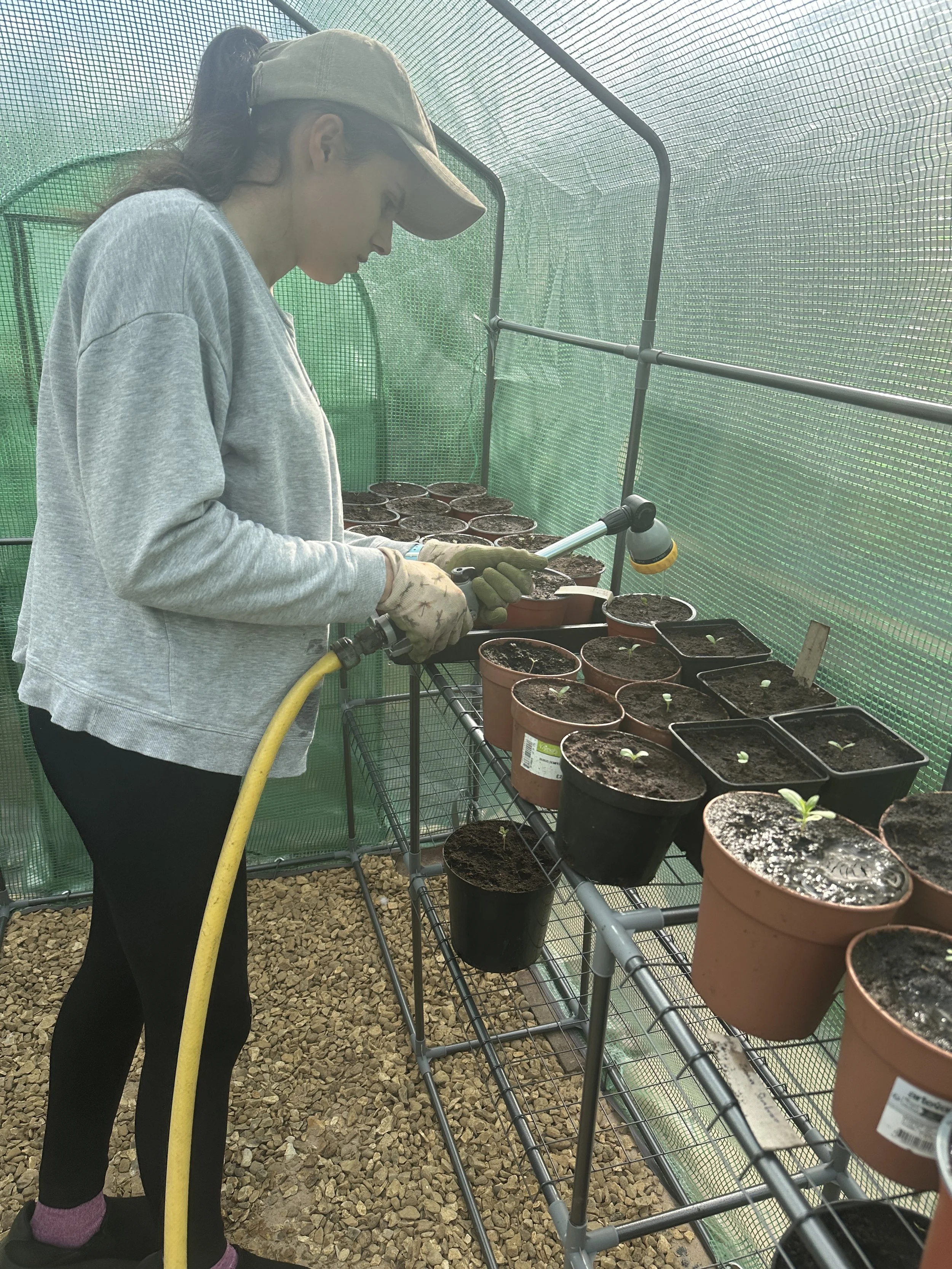
I also experience challenges with coordination as well particularly arm and hand coordination, and also balance as well sometimes too. What this means is that I can struggle with being able to move my body in the ways that I would like to, as well as necessarily being aware of this.
These things are all related to motor control and motor skills, and can often cause me a lot of anxiety and stress, particularly in gardening where I would often like to be able to be more efficient in my work but am impacted by this reality.
Being in a room or an environment that is too noisy, loud music or talking, or multiple people talking at the same time, can often be distressing. In this situation I often have to try and take myself away to a quiet space on my own, where I am able to calm down and think again more clearly.
Quick changes in body temperature and being able to recognise when I am hungry before the point of meltdown, often represent sensory challenges that I have to manage carefully in an attempt to avoid overload, and potentially burnout.
My Autism Diagnosis
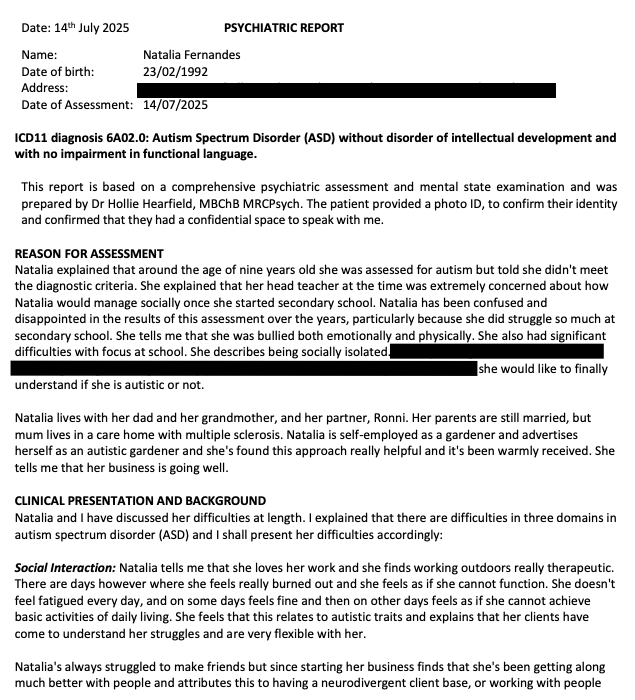
I am proud of my Autism diagnosis because even though I have known for most of my adult life that I am Autistic, what it has given me is permission to be myself, unashamedly and autistically.
I believe very strongly and passionately in the power of self diagnosis, particularly when it comes to a person seeking autonomy over their autism.
I only sought a formal diagnosis for my autism because I did not want my mums efforts to try and get me diagnosed as a child to be in vain, but in reality I had already known that I am autistic for much of my adult life.
After going to my previous GP twice over the twelve years to seek a diagnosis for my autism, with both times him referring me to a counselling place and telling me that ‘everyone is on the spectrum’, I was left in a position of not knowing what path to take next. He made me feel as though that my judgement on my own life was not being taken seriously.
It was after these experiences with my previous GP that I begun to self diagnose. I decided to take autonomy. I had started self diagnosing for at least five years before I received my Autism diagnosis privately. What self diagnosing myself as being autistic allowed me to do was it allowed me the space to try and start to learn about my autism, and understand the way that my brain functions.
A person choosing a formal diagnosis for their autism is a personal choice and I believe that self diagnosis is just as valid as a formal diagnosis because autism is a neurotype. Autism is a different way of thinking and processing. Autism is not an illness. Any person who is autistic who chooses to self diagnose has done so because of a lifelong battle with trying to understand why they process the environment surrounding them in the way that they do, and why society does not accept them for the person that they are.
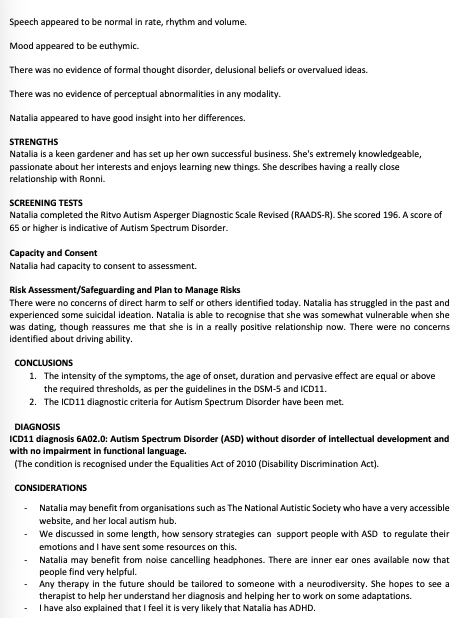
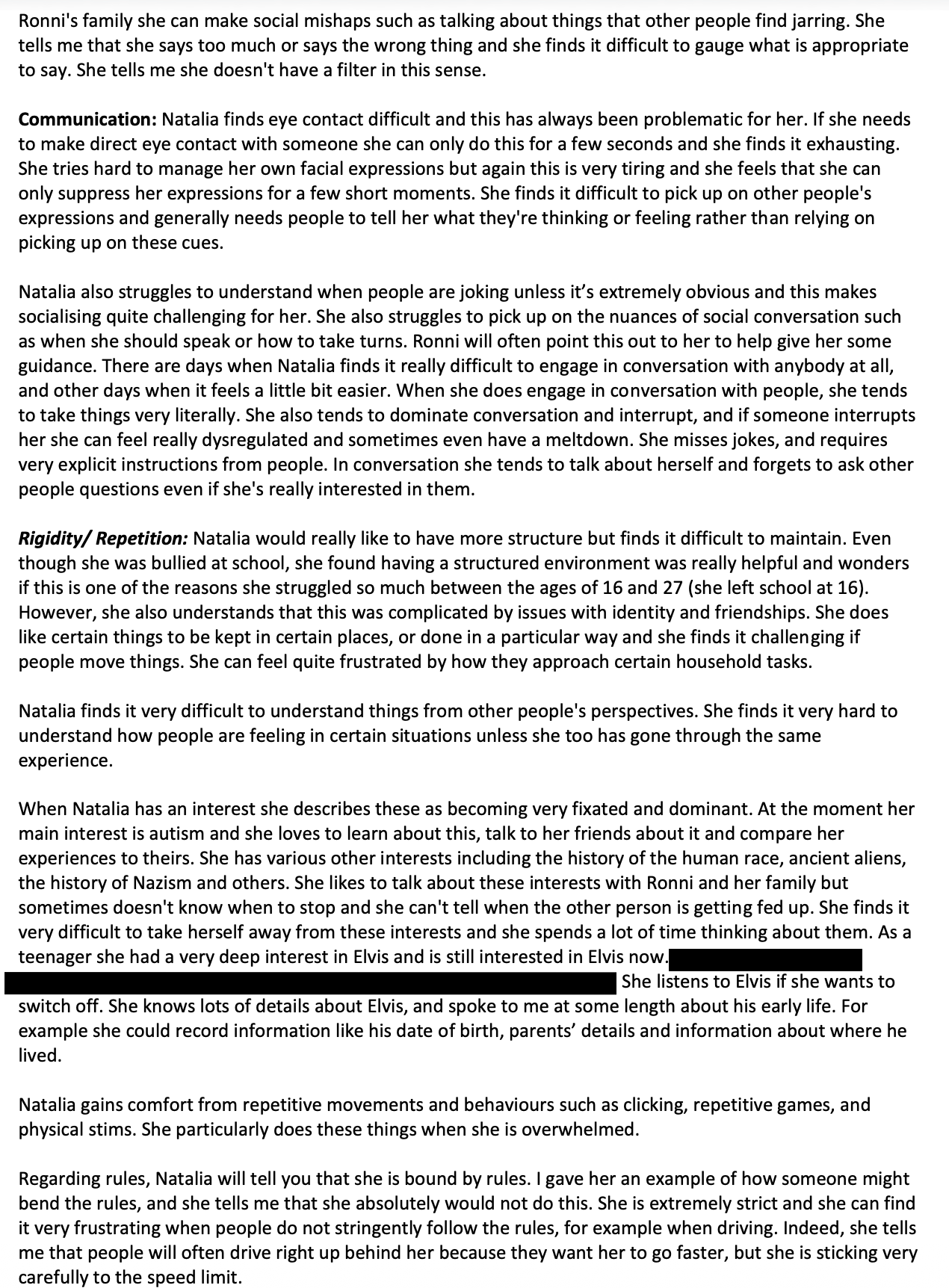
The reason that I am sharing my Autism diagnosis with you is because I believe that this report gives a little insight into the profound impact that a late diagnosis has had on my life better than I ever could explain.
This diagnosis represents not only a continued lifelong struggle in trying to understand my Autism, the pain and the meltdowns, all of the suffering along the way, but it also represents a triumph for both me and my mum, because she put in so much effort when I was a young child to seek this diagnosis for me.
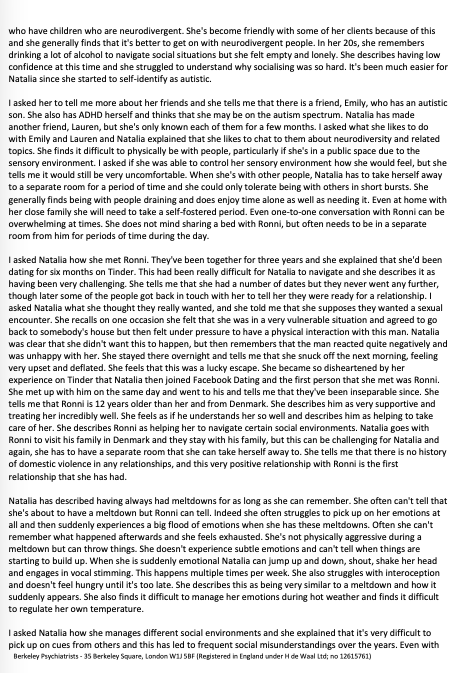
It is a symbol of both struggle and strength.
The struggle that I had and continue to have to understand exactly why my brain works the way that it does. The confusion, pain, and self destruction that has come from this pain.
And the strength to fight back and seek autonomy over my autism in the face of past dismissal and rejection.
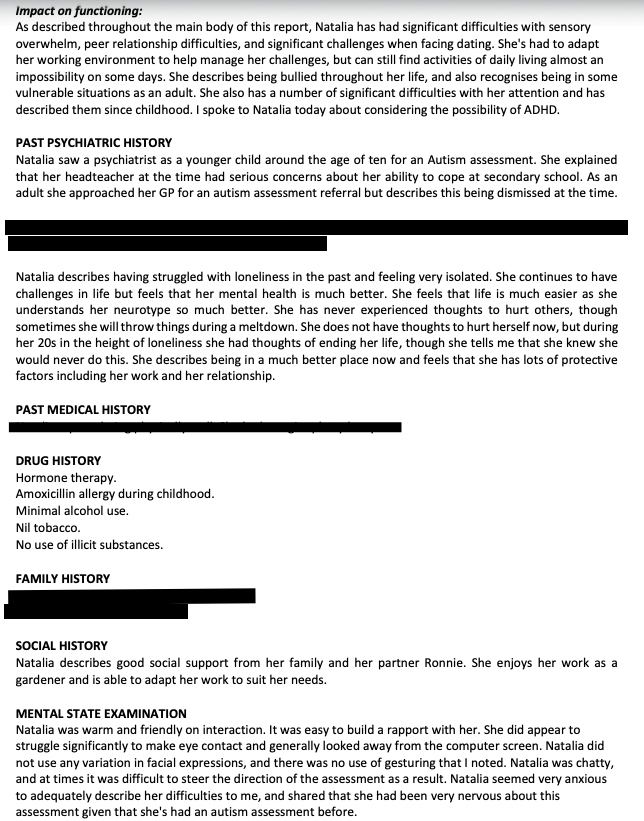
I hope that by sharing my diagnosis it will help give other autistic people like myself permission to be themselves too.
I hope that by sharing my diagnosis that it will maybe help an autistic person’s loved ones to maybe understand some of the complex challenges that come for that person living with autism.
I hope that by sharing my diagnosis it will help give just one autistic person the power to unmask just a little bit. Even having my diagnosis now I still mask a lot of the time so I understand that this isn’t easy, however this is my hope.
But perhaps most of all by sharing my diagnosis I hope that maybe a professional will somehow end up reading this and understand the damaging impact that a misdiagnosis can have on an autistic person’s life.
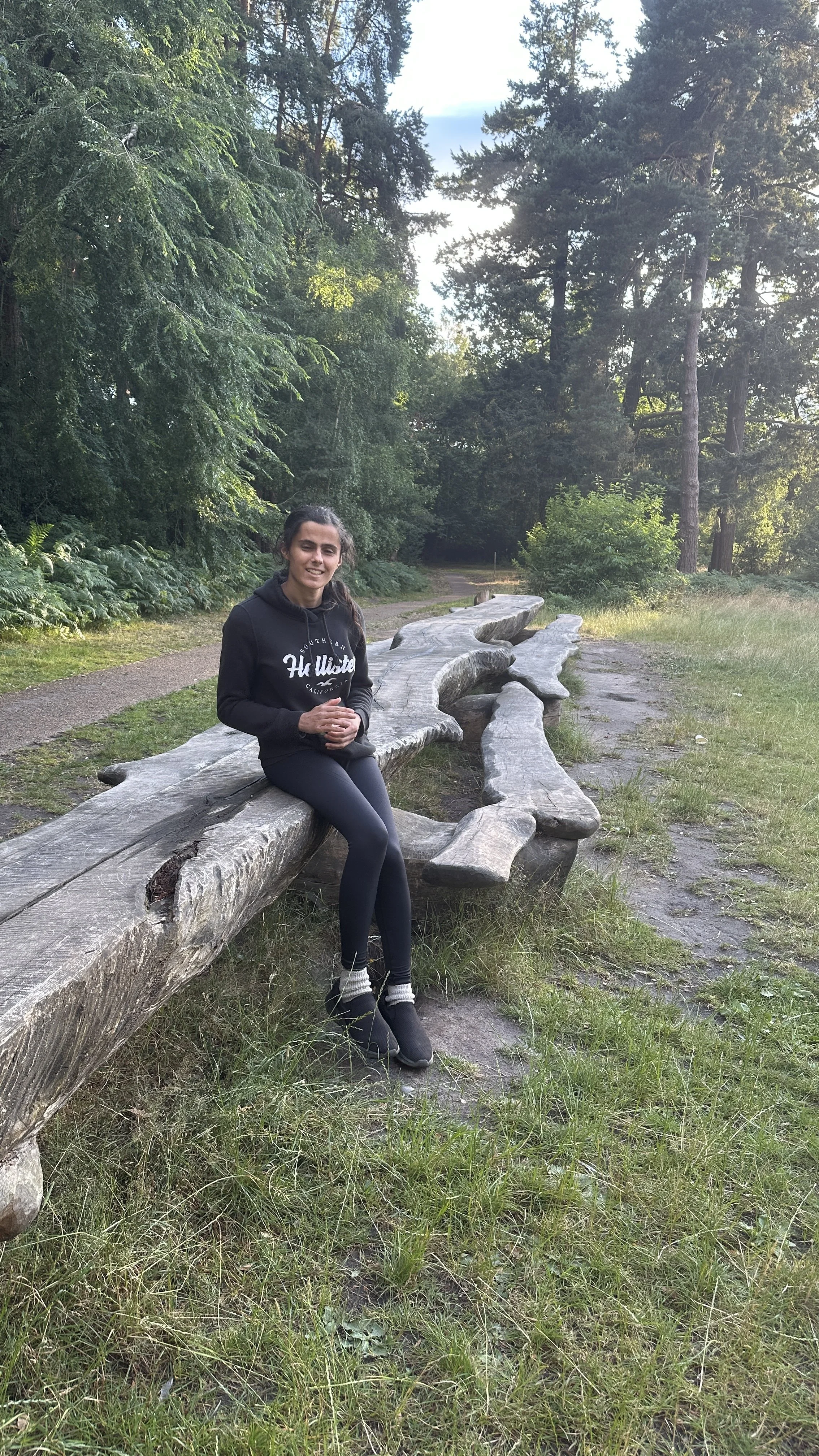
I believe that autism is very much a diverse complexity and that not any one person who has autism or their experiences are the same. Autism is a neurotype and what that means to me is a different way of thinking.
All autistic people process things differently and in their own unique ways. Environmental and internal processing is different for each autistic person, which means that each autistic persons support systems and coping strategies that they need in order to be able to simply function, are also each different too.
When I write about my experience living with autism I must make it clear that it is purely from my struggles, my challenges, and my experience. And even then I would barely consider myself experienced when it comes to understanding my own autism. The reality is that for many autistic people it can often take a long time to be able to apply those coping strategies and put those support systems in place.
I have always considered myself extremely fortunate that I have been able to turn my life around, thanks to the support of a loving and patient boyfriend, and also my family as well. I of course understand the reality that not everyone who is autistic is as fortunate to have the support that I have.
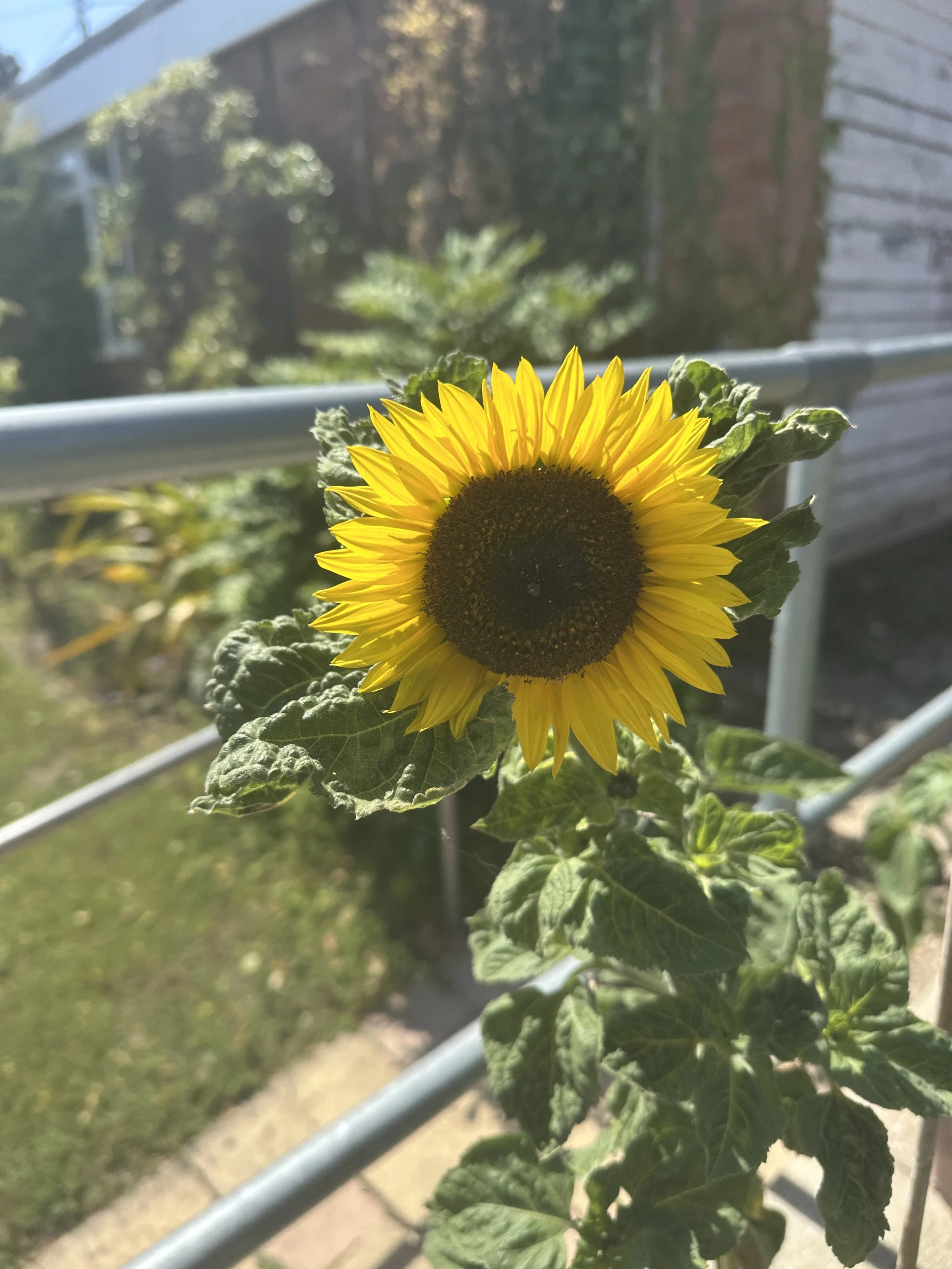
I enjoy trying to make a difference in my clients gardens. And while I want all of my clients to be happy first and foremost, this does also depend on the type of communication and energy that I am able to naturally share with my clients.
I need to feel that a clients garden is a safe space for me in order to be able to allow me to do my work effectively, and to the best of my capabilities. If I feel that the energy isn’t right then I will have no hesitation in withdrawing from that space because as important as my business is to me, protecting my autism will always come first.
My mum’s love of plants and passion for our own garden has had a profound effect on me since my childhood, and it was my mum who originally encouraged and helped me to set up my own gardening business. Since then I have built up my skills and increased my standards to create a business that has given back to me in more ways than I could ever have dreamt of when I started out all those years ago.
Gardening is a pivotal coping strategy in helping me to be able to manage the different sensory challenges that are a part of my autism more effectively.
Client Feedback

My experience lies primarily in the field of garden maintenance and soft landscaping, and most of the aspects that cover these two areas.
I would like to make it clear that I am not a horticultural expert however if you are looking for a gardener who is reliable, consistently hard working and consistently delivers a good standard of work, then I may be the right gardener for you.
I believe that I work to a satisfactory pace however I do have challenges with sensory processing and coordination also, which is part of a reality of what living with autism means for me.
I would like to ask for patience on this if you do decide to choose me as your gardener. I will always try to deliver the best service that I can for you as efficiently as I am able to.

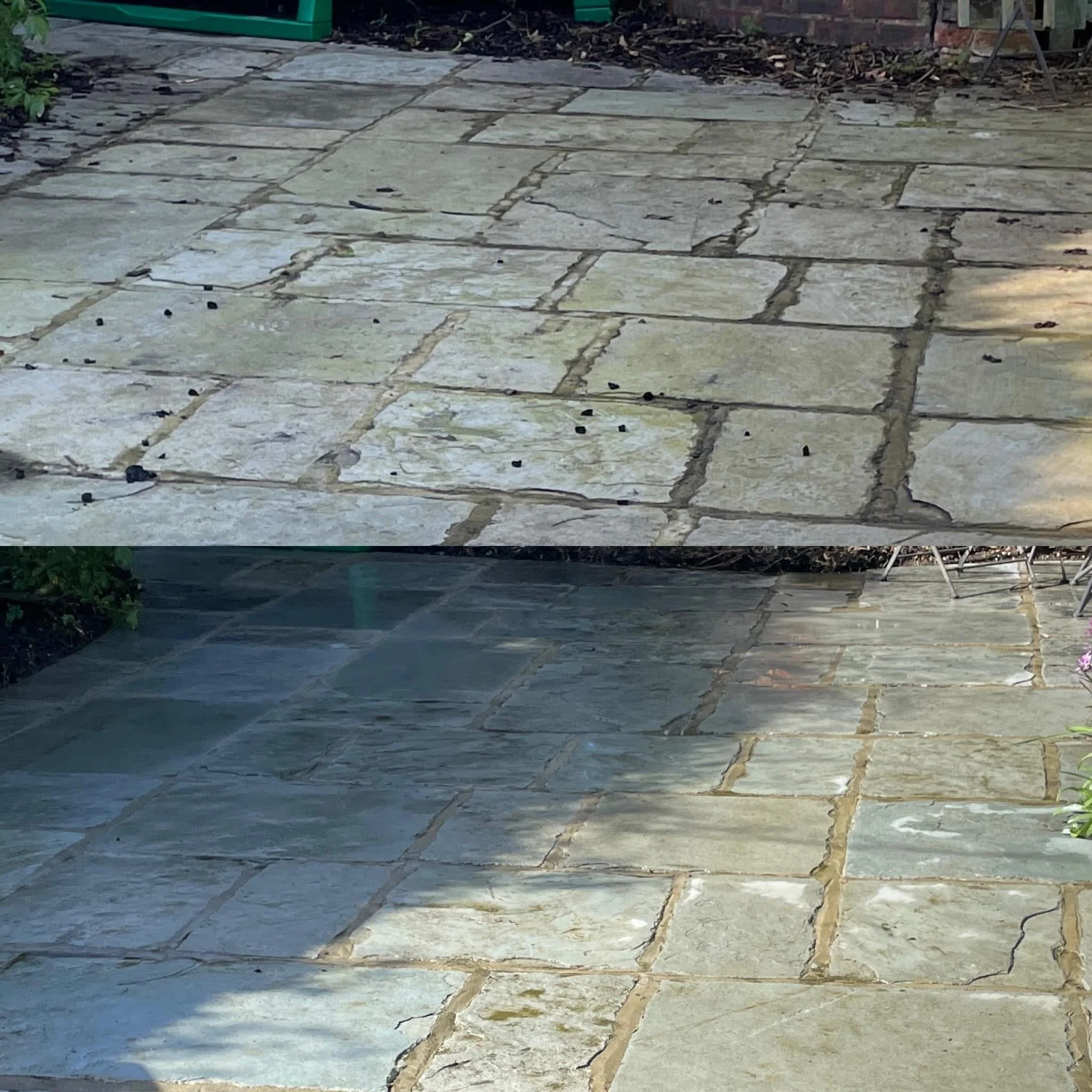

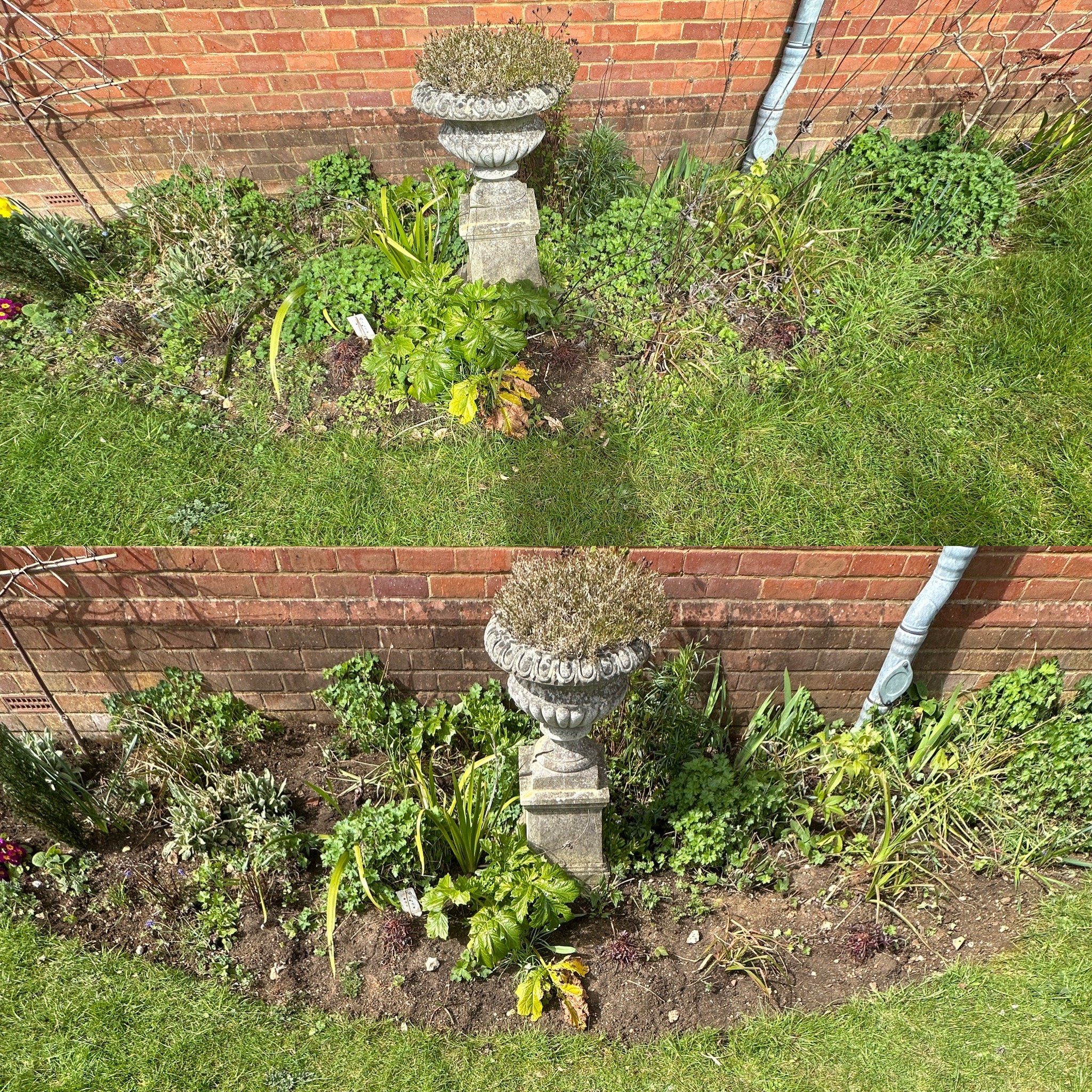
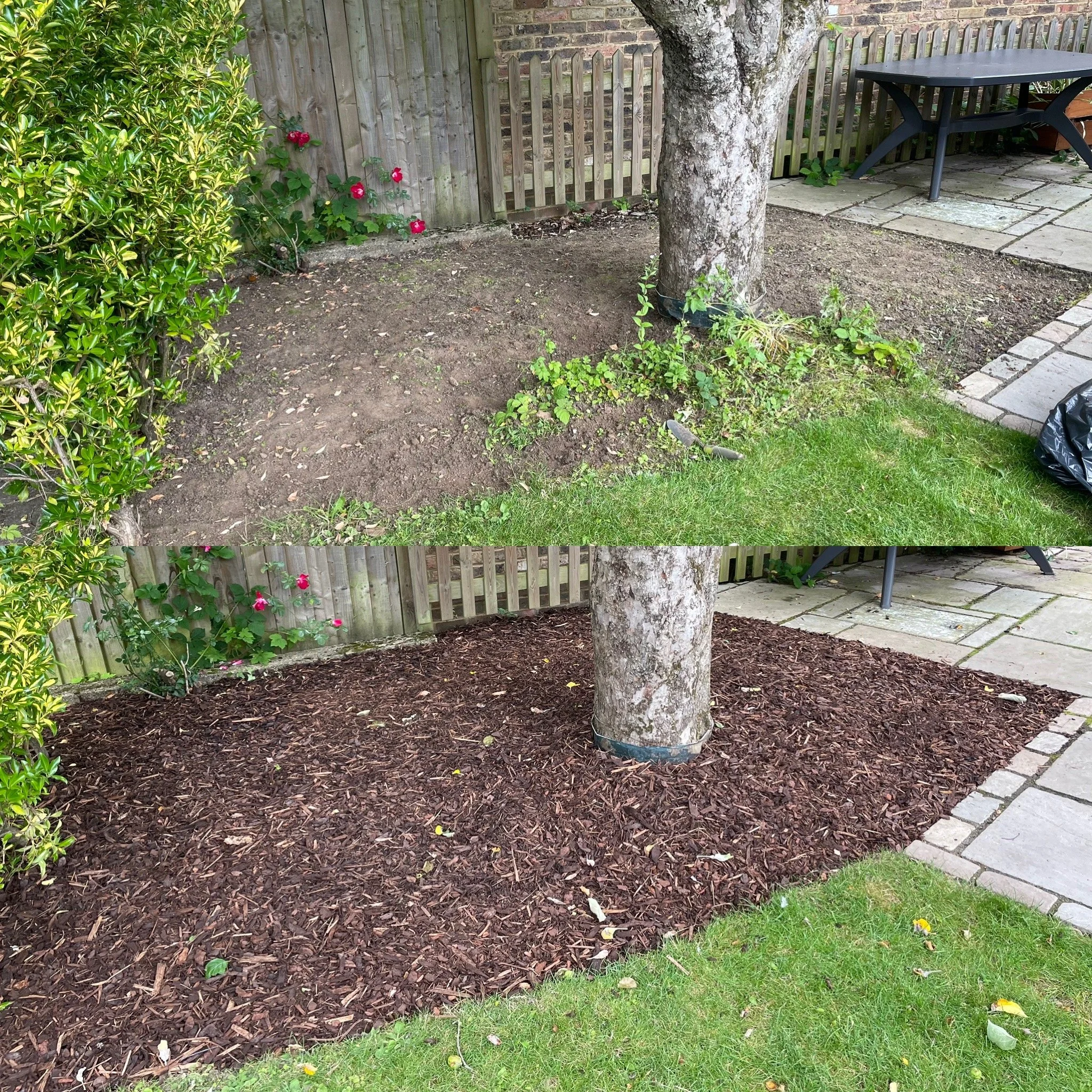
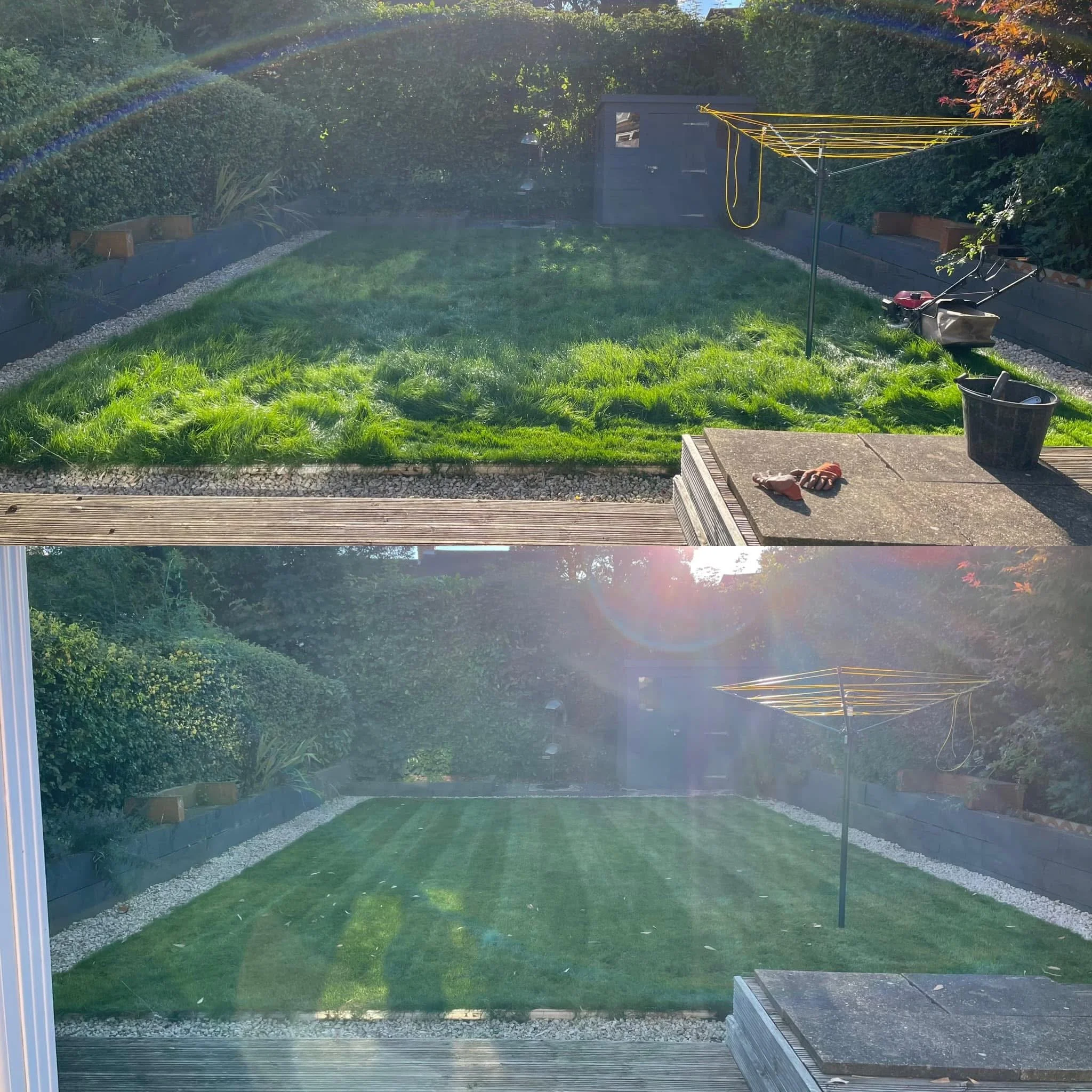
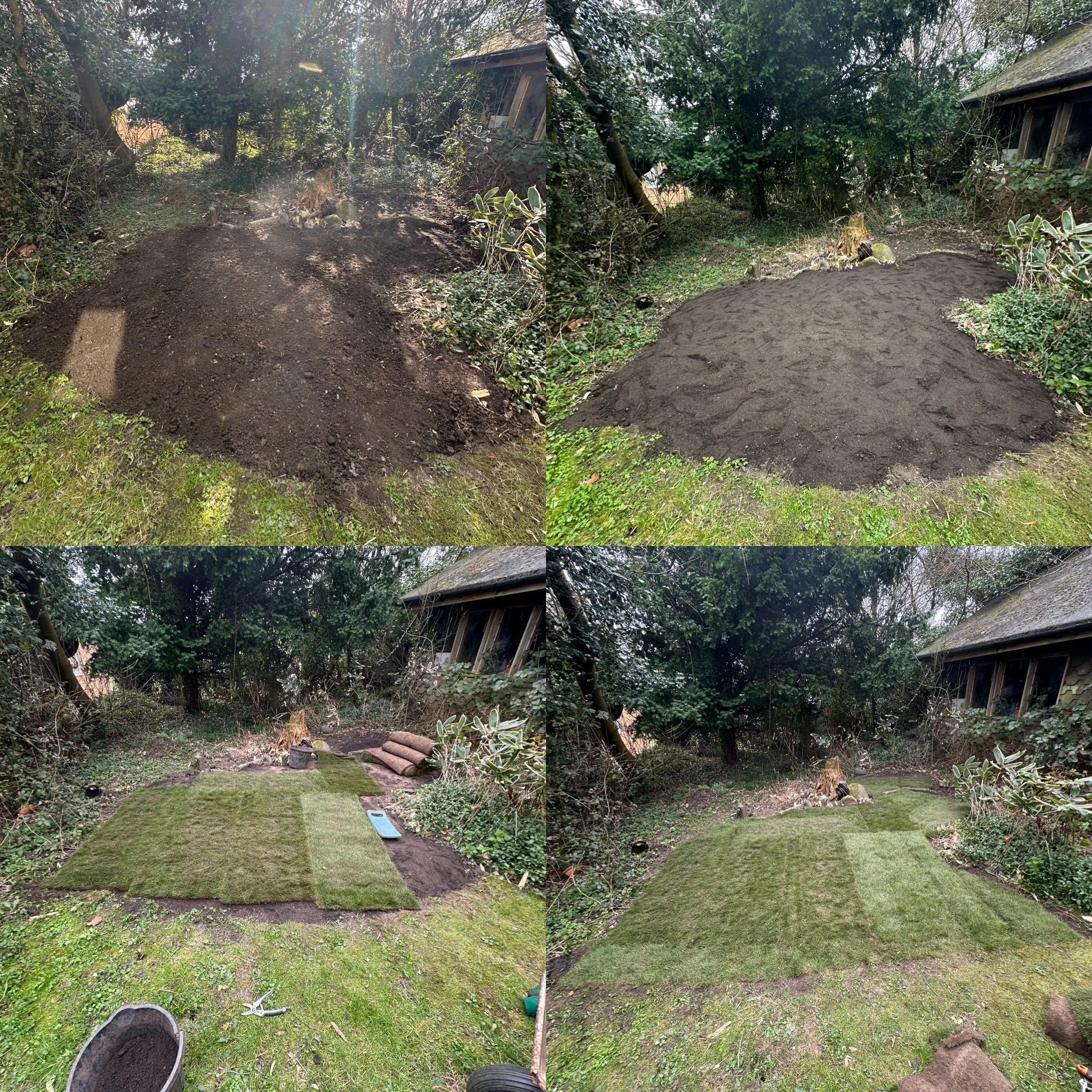
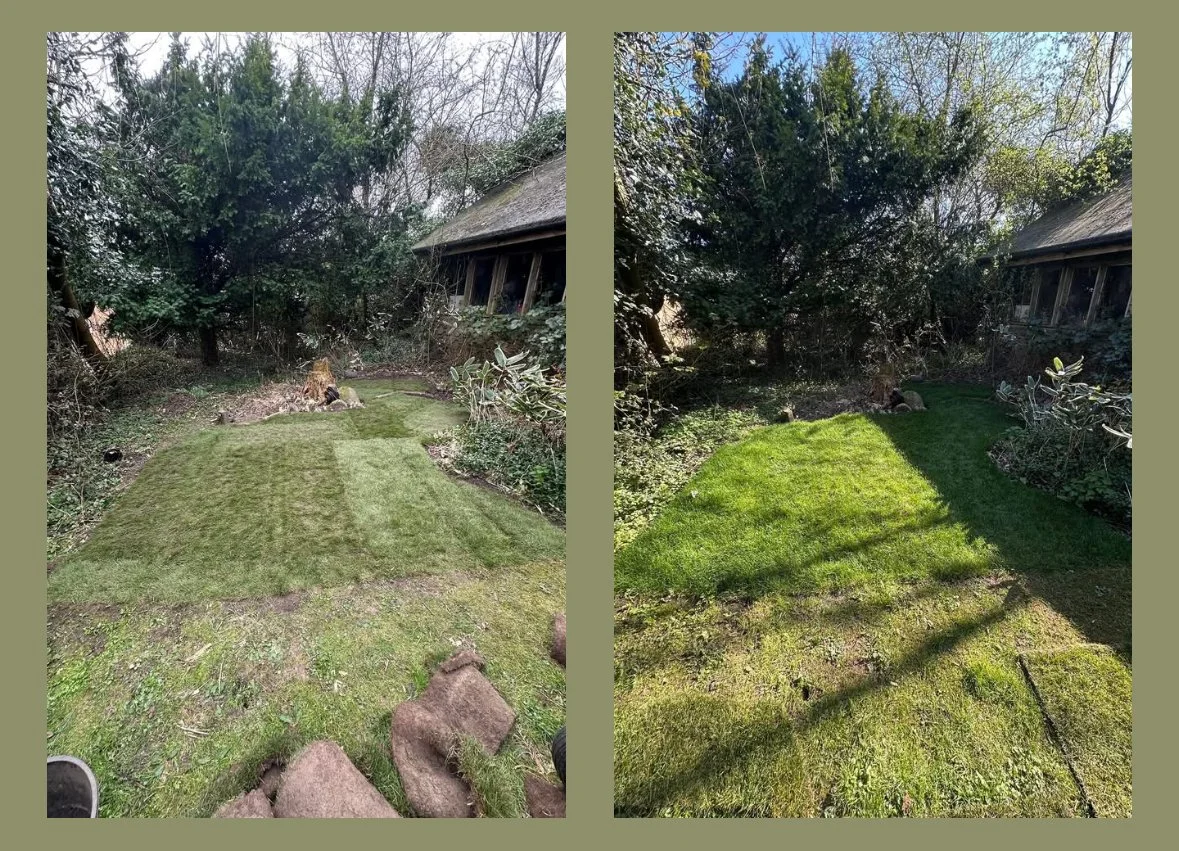
-
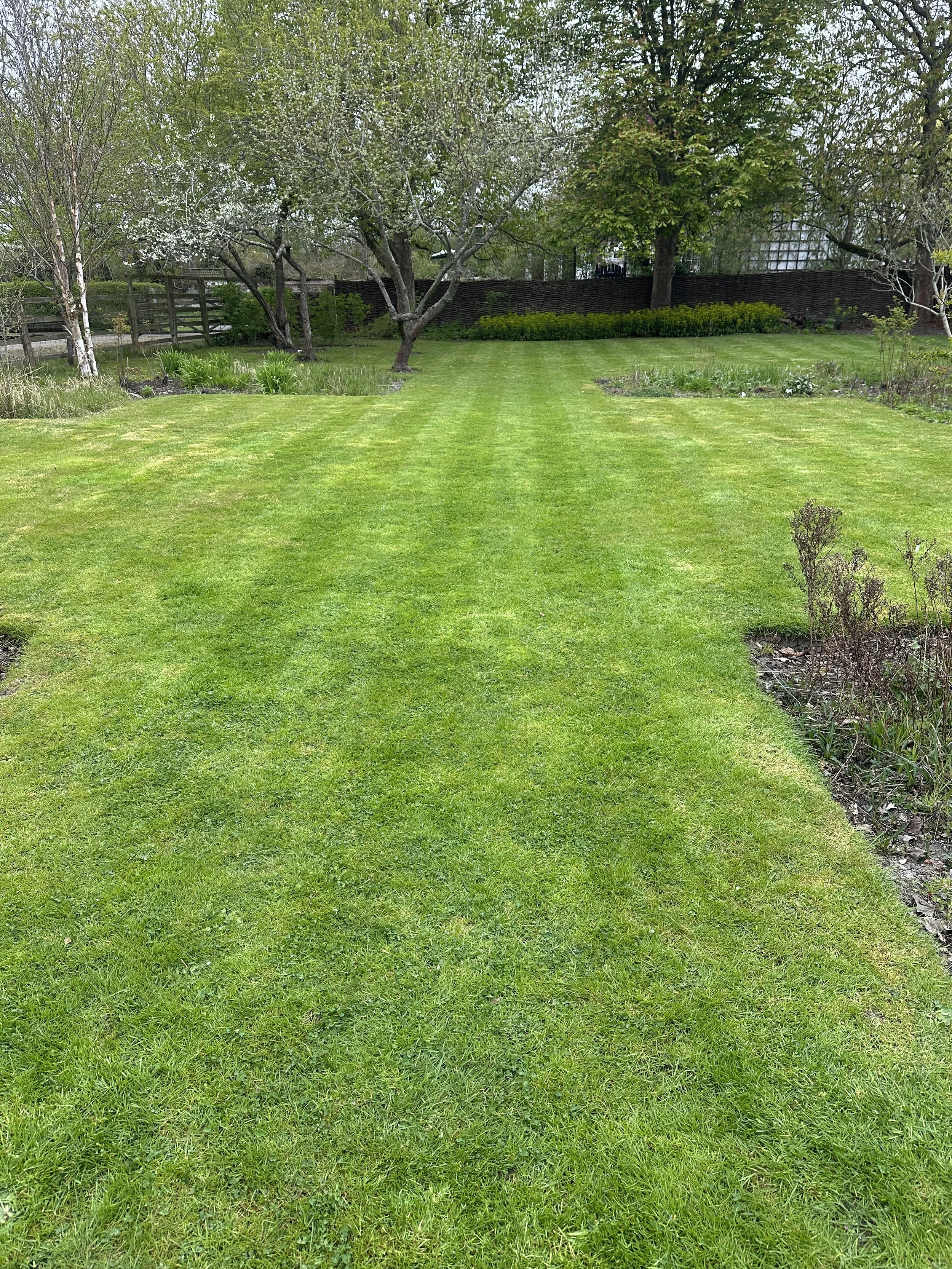
Garden Maintenance
This covers weeding, edging, lawn mowing, pruning, trimming/shaping, hedge cutting (except at height up ladders) and the basic general garden maintenance jobs.
I work with most of my clients on a schedule of one visit per month. I am also happy to work with my clients on an ad hoc basis as well.
Please feel free to message for more information and let’s formulate a plan that works best to suit your requirements.
-
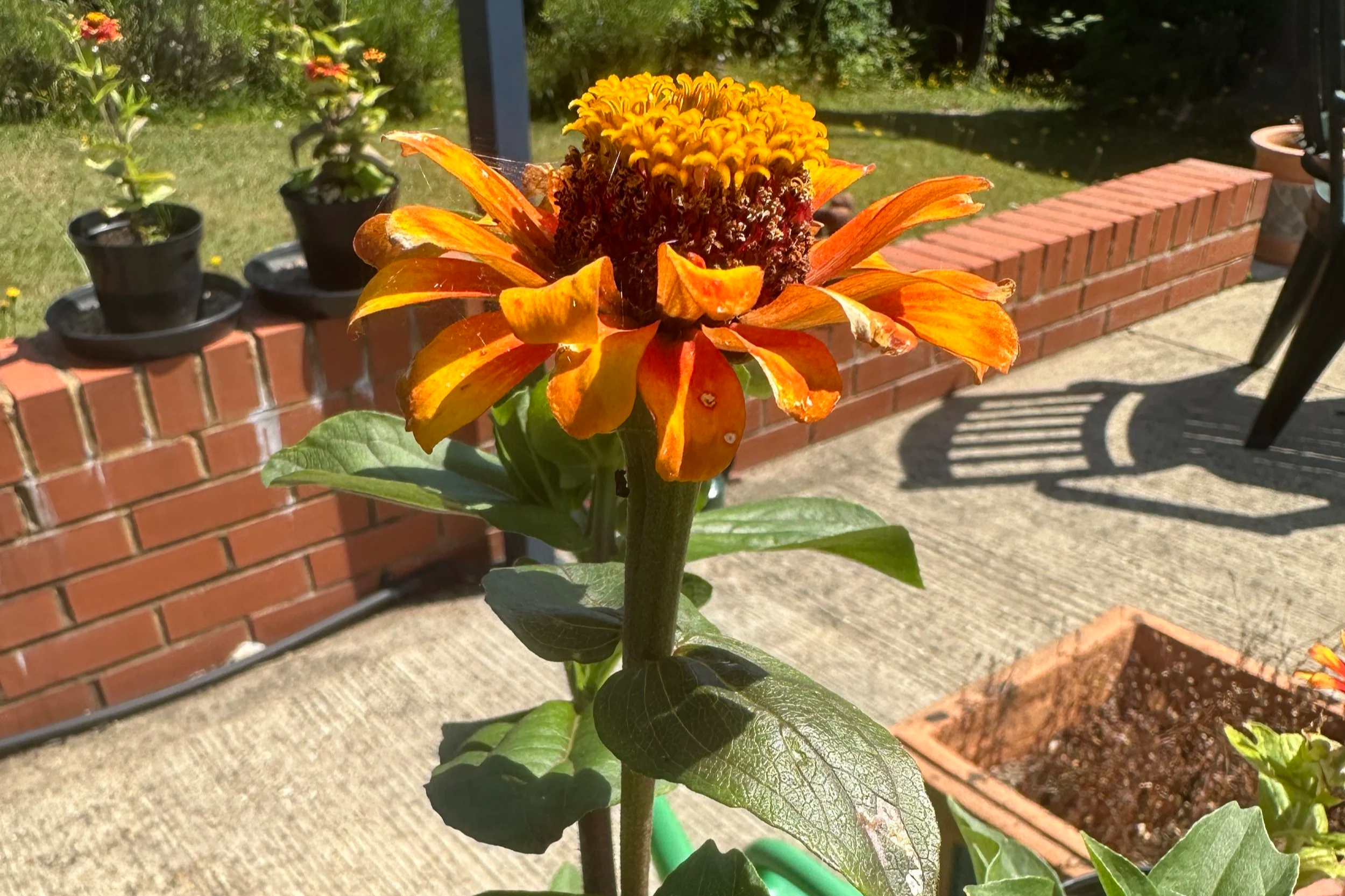
Planting and Soft Landscaping
If I am required to order supplies myself for a planting or soft landscaping project, then there will be an additional cost for those supplies as well as for my time in doing so, which will require and upfront payment in full before any order is made.
This additional cost does not include the labour time that it takes for me to do the project. Please feel free to message for more information.

Get in touch
I would love for you to get in touch with me today. I consider it a blessing and I am also extremely grateful to all of my clients who continue to entrust me with their gardens, and I would love you to be a part of that too.
I am contactable through any of the ports of contact as shown at the bottom of my website.
Should you decide to get in contact with me by telephone then if I could please ask that you leave your details and make clear who you are, or leave a voicemail, then that would be very much appreciated. ☺️